Starting school is a huge milestone for families. It’s a moment filled with shiny new lunchboxes, oversized backpacks and sometimes a few tears (mostly from parents!). As the big day approaches, it’s normal to feel a whirlwind of excitement and nerves. You might be wondering if your child is prepared for this next step in their lives.
This brings us to a question we hear all the time: what is school readiness?
In this guide, you’ll learn that:
- School readiness focuses less on academics and more on the social, emotional, physical and cognitive skills children need to succeed at school.
- School readiness is important because it develops skills that help children thrive at school and in life.
- We incorporate school readiness into our kindergarten programs by helping children develop their confidence, independence and love for learning.
- Signs children are ready for school include having adequate social, emotional, cognitive and physical skills, and an interest in learning.
- Every child develops at their own pace, and there are lots of ways you can support your child with the transition to school.
Keep reading to learn more!
What is school readiness?
School readiness goes beyond academic ability. While it’s wonderful if your child can write their name or count numbers, school readiness isn’t just about literacy or numeracy skills.
Instead, school readiness focuses on the social, emotional, physical and cognitive skills a child needs to navigate a classroom and succeed in that environment. For example, being able to concentrate for extended periods, and knowing how to sit, listen and communicate in a group setting.
These skills don’t just come in handy at school. School readiness also prepares children for life beyond school, such as attending outside school hours care, participating in sports clubs, or simply making friends in a new environment. Think of school readiness as building a toolkit of attitudes and skills required for school, and life more broadly!
Important school readiness skills
Let’s break down the key skills your child should have to successfully transition to school.
Social-emotional skills
Your child should have some basic social-emotional skills before starting school. This includes confidence, empathy and teamwork. They should be willing to share and take turns, understand when to listen and when to speak, and be able to regulate their emotions and manage big feelings if things don’t go to plan.
Independence
School requires a surprising amount of independence. Practical tasks like packing and unpacking a bag, toileting and washing hands, and even being able to open a lunchbox or water bottle are important skills to have. Your child should also feel comfortable being separated from you for the school day.
Communication and language
Children should be able to understand simple instructions, ask questions if they’re unsure about something or need help, and speak clearly enough that others can understand them (especially people who may not know them yet, as your child will meet lots of new people when they start school!).
Cognitive skills
School requires an interest in learning. Children should be curious about the world around them and enjoy discovering new things. It’s great if they can problem-solve, retain new information, and demonstrate some literacy and numeracy skills like recognising basic patterns, shapes, letters and words.
Physical activity
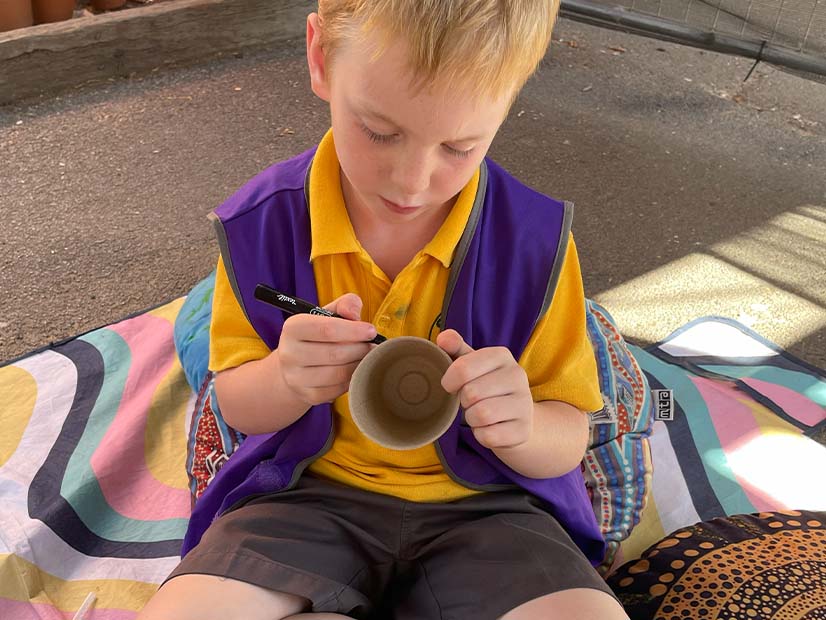
Children should have both gross and fine motor skills. Gross motor skills include large movements like running, jumping and balancing, while fine motor skills are the smaller movements needed to hold a pencil correctly or cut with scissors. Children should also have the stamina for a full day of learning and play.
How we build school readiness
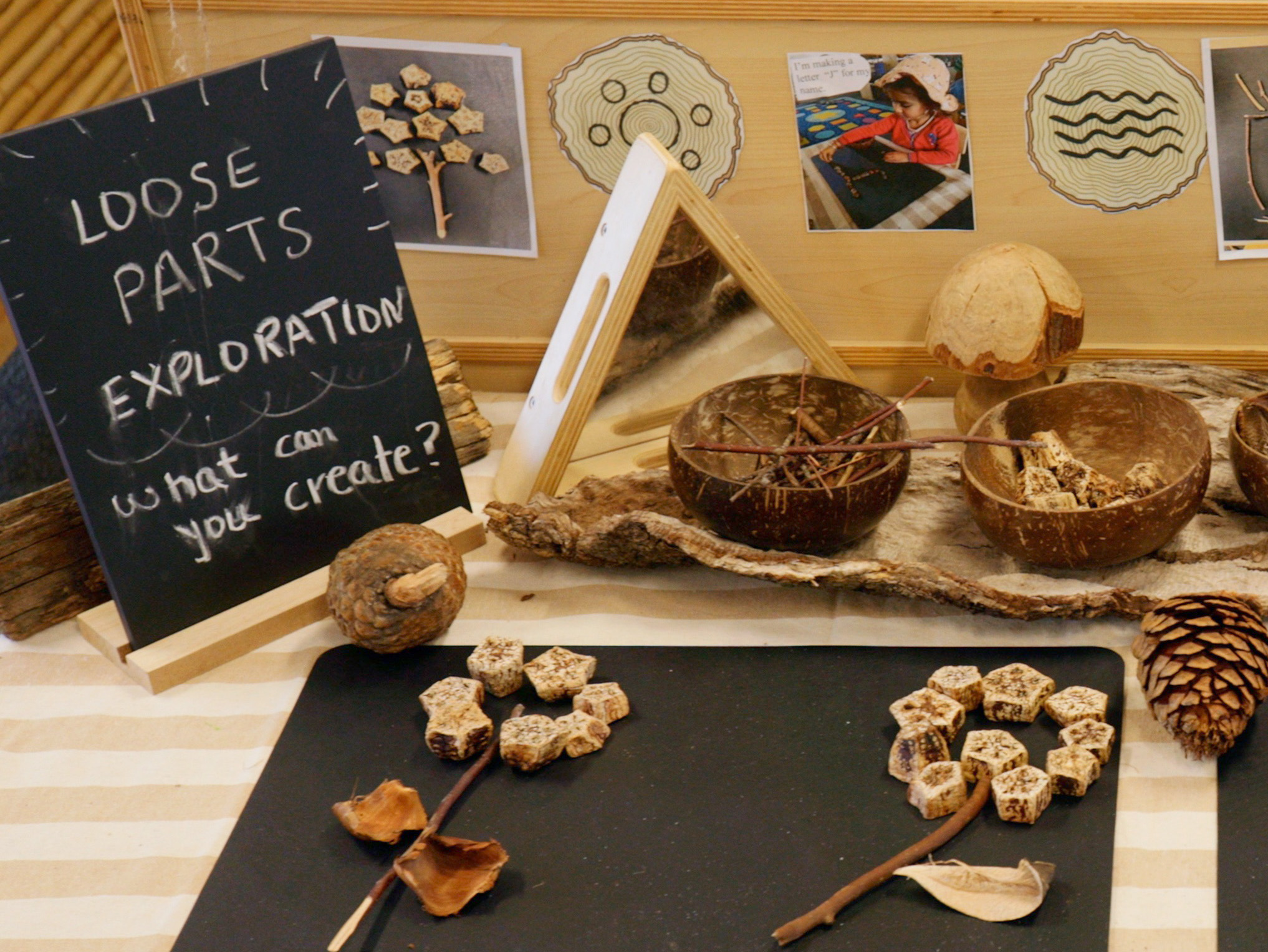
At the Y, our kindergarten program follows the Early Years Learning Framework concepts of ‘Belonging, Being, and Becoming’ and we tailor our activities to suit each child’s interests and learning styles. With support from Bachelor-qualified Early Childhood Teachers in a play-based approach, children develop skills in:
- Communication and relationship building
- Problem solving and critical thinking
- Creativity
- Togetherness and teamwork
- Self-confidence
- Active learning skills
- Sustainability
- Reading, writing and maths
A successful transition to school also involves collaboration between families, the wider community and schools.
To support this, we set learning goals with parents and provide regular feedback, so you know how your child is progressing. Plus, many of our early learning centres are located next door to (or nearby) primary schools, allowing for an easier transition.
By working together, we ensure every child feels supported, capable and ready to embrace the next step in their educational journey.
Why is school readiness important?
School readiness is key to helping children transition smoothly into a school environment. Without school readiness skills, the shift from early learning to school can feel overwhelming and challenging.
Think of it like this: If a child experiences separation anxiety, struggles to focus, or can’t hold a pencil comfortably, more of their mental energy will go towards these stressors. They may be less able to participate in and benefit from the lesson. However, if children already have these skills, they’ll feel more prepared and more likely to thrive at school.
This is important because it helps children have a positive start to their school journey, helping them develop a love for learning that can last a lifetime. Research has shown that building skills for life and school readiness skills can impact children into the future, positively affecting their social life, career paths, attitudes and more.
How do I know if my child is ready for school?
It’s important to consider your child’s holistic development by looking at their overall social-emotional skills, cognitive ability, physical skills and attitude. Here are some indicators you can look out for:
- Interest in learning: Does your child ask questions about things and seek answers?
- Social skills: Can they interact comfortably with other children, share toys and communicate their needs?
- Independence: Can they follow simple instructions and manage personal hygiene like going to the toilet and washing their hands?
- Physical readiness: Do they have the physical stamina to get through a full day of activity without needing a nap?
- Language skills: Can they speak clearly enough to be understood by strangers and listen when others are talking?
- Emotional readiness: Can they regulate their emotions in new situations or separate from you without significant distress?
Remember, every child develops at their own pace and there is no single ‘right’ time for everyone. Some children may need more time in kindergarten to fully prepare for school, while others might be ready sooner. This is perfectly normal. School readiness isn’t a race and it isn’t a test.
How to get your child ready for school
To make the transition to school smoother, you could try these activities at home:
- Promote independence by letting your child pack their own bag for childcare and outings or letting them choose their own outfit for the day.
- Set up playdates with other children to help your child build their social and communication skills.
- Play ‘classroom’ to practice skills like raising hands, asking questions, and listening to the teacher.
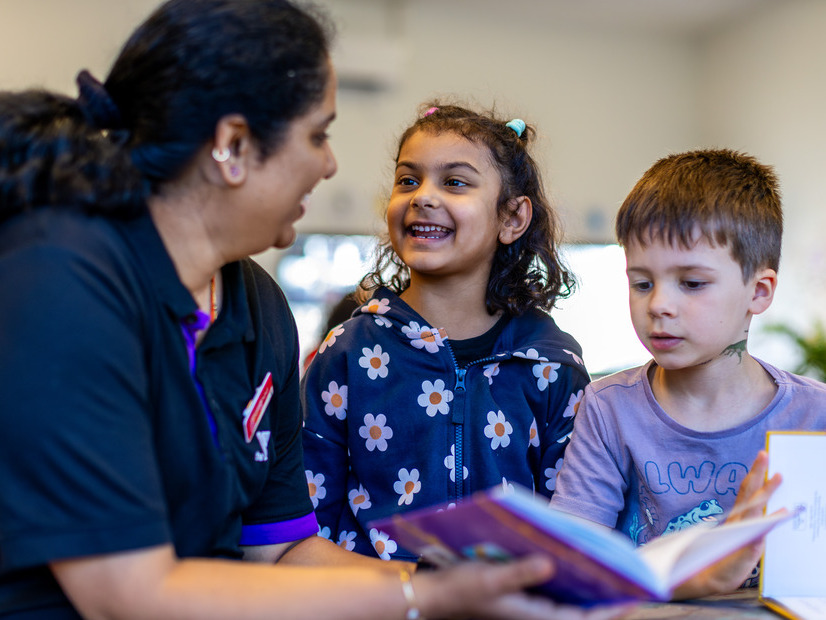
- Read stories together to build a love for learning. Discuss the stories with them to promote their thinking and listening skills.
- Talk about school to see how your child is feeling. Share fun school stories to ease worries and build excitement.
Don’t forget, you can also talk to us! If your child attends one of our early learning centres, our team of educators can give you specific tips to help your child. We’re always here to help make the transition to school easier for your family.
Setting your child up for success
If you would like to see how we nurture school readiness skills in a fun and supportive environment, we’d love to meet you. Book a tour today to meet our dedicated team and see firsthand how we can help prepare your children for school and life.